Old Town (Rattanakosin) Visitor Guide (2026)

Old Town Rattanakosin is Bangkok’s ceremonial heart, built in 1782 by King Rama I after fleeing Burmese attacks. Worth it? Absolutely, if you follow the rules and dodge the scams. Grand Palace and Wat Pho are genuinely stunning, not tourist traps, but crowds and heat are brutal mid-day.
This isn’t a casual stroll. Dress code is strict (covered knees, shoulders), entrance fees hit 700 THB total for main sites, and tuk-tuk drivers near Khao San will lie to your face. Go early, bring water, and book skip-the-line tickets if you hate queues.
Why Visit Old Town Rattanakosin?
Rattanakosin Island was King Rama I’s fortress capital in 1782, protected by the Chao Phraya River and defensive canals against Burmese invasions. Today it holds Thailand’s most sacred temple (Wat Phra Kaew with the jade Emerald Buddha) and the Grand Palace, which served as the royal residence until 1925. Wat Pho houses a 46-meter Reclining Buddha from the Ayutthaya period.

This isn’t reconstructed history. Buildings still function for royal ceremonies. Monks chant at dawn in Wat Pho. Locals buy amulets at Tha Tien Market believing they bring protection. You’re walking through active religious sites, not museums.
Visitor Rules & Etiquette
Dress code is non-negotiable at Grand Palace and major temples. Shoulders covered. Knees covered. No flip-flops, tank tops, ripped jeans, or see-through clothes. They sell overpriced sarongs at entrances (200 THB), so dress right before you arrive.
Remove shoes before entering any temple building. Don’t point your feet at Buddha statues (sit with legs tucked). Photography allowed in courtyards but often banned inside sacred halls. Flash is always prohibited near religious objects.
Fake guides approach tourists at Grand Palace gates offering ‘special access’ for 1,000 THB. Real tickets are 500 THB at the official counter. If someone says you need a guide to enter, they’re lying. Pickpockets work Amulet Market and Tha Tien during peak hours (10 AM to 2 PM). Keep bags zipped.
Top Highlights
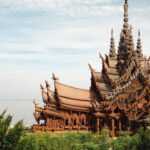
Grand Palace: Gilded roofs, intricate murals depicting Ramakien epic stories, and the Chakri Maha Prasat throne hall mixing Thai and European architecture. Built 1782, expanded by successive kings. Allow 90 minutes minimum. Last entry 3:30 PM.

Wat Phra Kaew (Temple of the Emerald Buddha): Inside Grand Palace grounds. The 66 cm jade Buddha sits on a golden altar, with robes changed seasonally by the King. Thailand’s holiest object. No photos inside the main chapel.
Wat Pho (Temple of the Reclining Buddha): Separate site, 5-minute walk south. The 46-meter gold-plated Buddha represents Buddha entering nirvana. Wat Pho also runs Thailand’s most respected traditional massage school. You can book 30-minute sessions for 420 THB on-site.
History gets complex here. Murals reference Hindu-Buddhist cosmology, and architecture blends Ayutthaya and Rattanakosin styles. I recommend a guided tour from Viator to actually understand what you’re looking at, not just take selfies.
Getting There
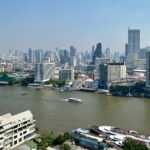
Easiest access is Chao Phraya Express Boat to Tha Chang pier (orange flag line, 16 THB). Grand Palace is 200 meters from the dock. Boats run 6 AM to 7 PM. If you’re coming from Suvarnabhumi Airport, take Airport Rail Link to Phaya Thai, then taxi (250 THB, 40 minutes). From Don Mueang Airport, grab a metered taxi (200 THB, 30 minutes off-peak).
Walking from Khao San Road takes 15 minutes. No MRT or BTS stations nearby. Parking is nightmare, don’t drive. Tuk-tuks from Khao San charge 100-150 THB but will detour to commission shops. Negotiate fare before getting in.
Visitor Info: Hours, Tickets & Timing
Grand Palace: 500 THB foreigners (Thais free with ID). Open 8:30 AM to 3:30 PM daily, last entry 3:30 PM. Ticket includes Wat Phra Kaew. Buy tickets on Klook to skip the main entrance line, though on-site purchase is usually fast early morning.

Wat Pho: 200 THB. Open 8:30 AM to 6:30 PM, last entry 6 PM. Separate ticket from Grand Palace. Massage school closes 5 PM.
Best time: November to February (cool season, 25-30°C). March to May hits 38°C with brutal humidity. Avoid Songkran week (mid-April) when sites get mobbed. Weekdays are quieter than weekends.
Budget 3-4 hours for both Grand Palace and Wat Pho. Bring water (vendors inside charge 30 THB for small bottles). Wear sunscreen. There’s minimal shade in courtyards. If heat exhausts you, duck into National Museum (100 THB, air-conditioned) across from Sanam Luang.
After temples, explore Tha Tien Market for street food (pad thai 60 THB, mango sticky rice 80 THB). Amulet Market near Grand Palace sells Buddhist charms, but prices are inflated for tourists. Locals pay 50-100 THB, vendors quote foreigners 500 THB. Bargain hard or skip it.
Want to extend your trip? Check routes to Chao Phraya Riverside for sunset river cruises, or head to Ayutthaya (90 minutes north) to see older temple ruins without Bangkok crowds.
Frequently Asked Questions
What is the dress code for Rattanakosin temples?
Shoulders and knees must be covered. No sleeveless tops, shorts, flip-flops, or ripped jeans. Remove shoes before entering temple buildings.
Grand Palace entrance fee for foreigners 2026?
500 THB for foreigners (includes Wat Phra Kaew). Thai nationals enter free with ID. Wat Pho is separate at 200 THB.
Best time to visit Old Town Bangkok to avoid crowds?
Arrive at 8:30 AM opening or after 3 PM. Tour groups flood 10 AM to 2 PM. Weekdays are quieter than weekends.
Is Wat Pho free entry?
No. Wat Pho charges 200 THB entrance fee for all visitors. It’s separate from Grand Palace tickets.
Rattanakosin Island scams to watch for?
Tuk-tuk drivers claim temples are closed and push gem shop tours. Fake guides offer ‘special access’ for 1,000 THB. Buy tickets only at official counters (500 THB Grand Palace, 200 THB Wat Pho).