Rawai Phuket: Sea Gypsy Village & Beach Guide (2026)

Rawai is one of Phuket’s oldest fishing villages, home to the Moken sea gypsies who’ve lived here for generations. Unlike Patong or Kata, this is where you see actual working boats, fish markets, and locals who aren’t selling you tours.
The name means ‘we pray’ in old Thai. Legend says Buddha first stepped on Phuket at nearby Koh Kaew Yai before visiting Rawai. Today it’s a mix of traditional village life, seafood stalls at the jetty, and access to quieter southern beaches like Yanui and Nai Harn.
Why Visit Rawai?
Rawai isn’t a postcard beach. It’s a working fishing village where Moken families still repair nets, sell catches at dawn, and celebrate the Floating Festival twice a year (June and November). You’ll see longtail boats moored offshore, not jet skis.
The Moken people have a nomadic seafaring history. Pearl diving, fishing, living on boats. Most have settled on land now, but the culture is still visible in the village near the beach. Walk through in the morning and you’ll see fish being sorted, boats being painted, kids playing near the jetty.
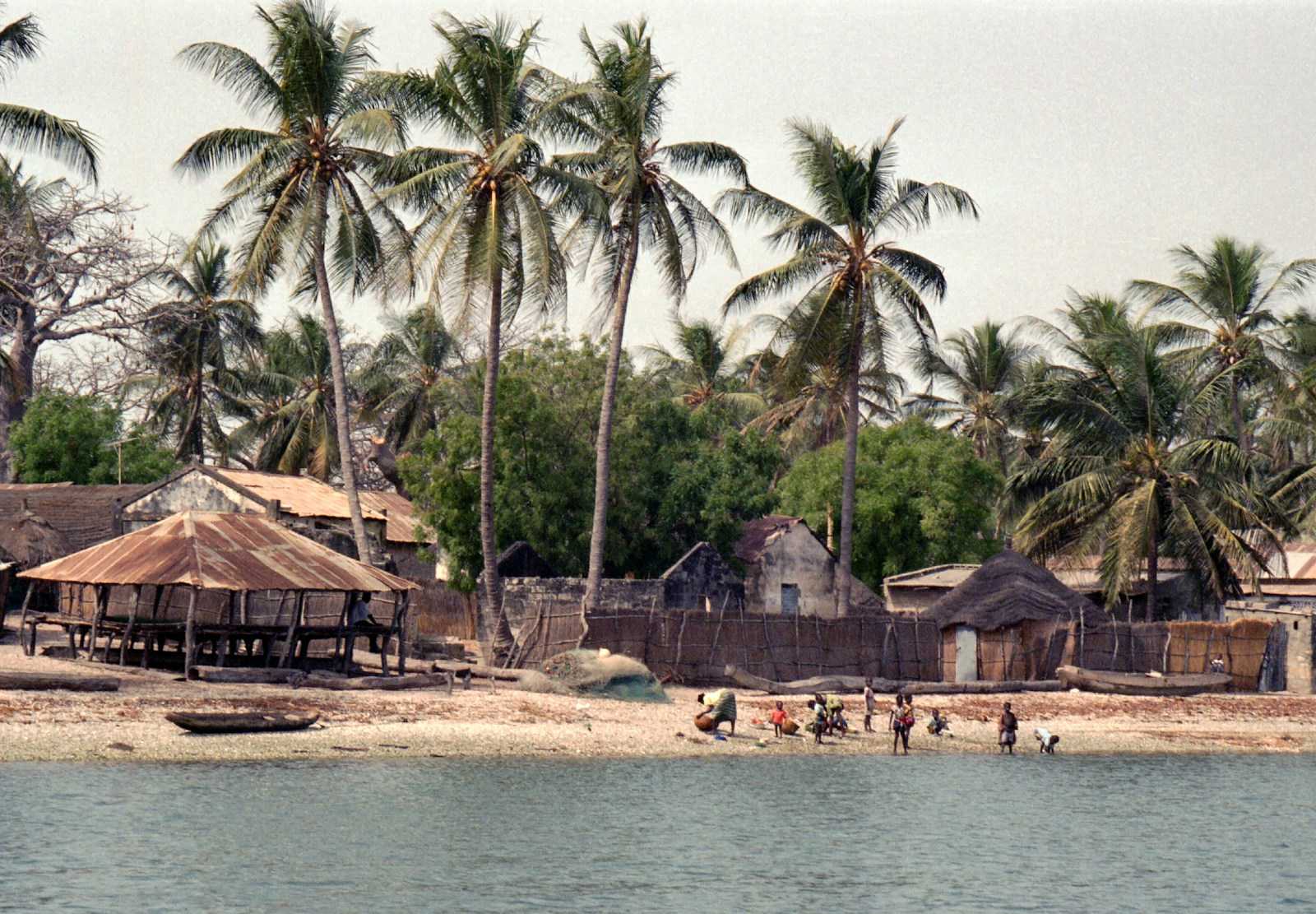
Nearby Promthep Cape is Phuket’s most famous sunset viewpoint. Yanui Beach, a 5-minute drive north, has decent snorkeling and far fewer crowds than Kata. Rawai Beach itself is shallow and rocky, not great for swimming, but the jetty area is where you catch boats to Coral Island or Koh Kaew Yai.
Visitor Rules & Etiquette
Rawai village is public. No entrance fees, no tickets. Walk around freely. At the small shrines near the beach (tree temple with Buddha images, elephant shrine at Promthep Cape), take off your shoes. Cover shoulders and knees if you’re entering a shrine area.
Photography is fine in public spaces. Don’t point cameras directly at Moken homes without asking. Most locals are used to tourists, but it’s still someone’s front yard.
Shell stalls at the jetty will overcharge. Vendors sell shells, dried starfish, coral souvenirs. Prices are inflated for tourists. If you want seafood, the grilled fish and squid stalls are legit, but agree on price before ordering. No monkeys here, unlike Monkey Hill or Wat Chalong.
Highlights: What to See
1. Rawai Sea Gypsy Village: Walk through the village lanes behind the beach. You’ll see traditional wooden houses, fishing gear drying, and small shrines. The Floating Festival (Loy Ruea) happens in June and November. Moken families build small boats, fill them with offerings, and float them out to sea to honor ancestors and spirits. If you’re here during the festival, it’s worth seeing.
2. Rawai Beach Jetty & Seafood Stalls: The jetty is the hub. Longtail boats line up for island trips. Seafood vendors grill fish, prawns, squid right on the beach. Shell markets sell tourist trinkets. It’s chaotic but authentic. Best visited late afternoon when boats return and stalls fire up grills.
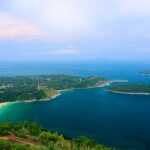
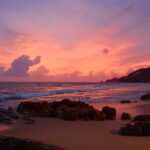
3. Promthep Cape & Yanui Beach: Promthep Cape is 10 minutes south by scooter. Phuket’s most famous sunset spot. Gets packed, but the Andaman Sea views are worth it. Yanui Beach, just before the cape, is a small cove with clear water and rocks for snorkeling. Far quieter than Kata or Karon. Park on the roadside, walk down steps to the beach.
If you want context on Moken culture or Phuket’s fishing history, book a Klook or Viator guide who can explain what you’re actually looking at. Otherwise it’s just boats and houses.
Getting There & Parking
Rawai is in southern Phuket, about 18 km from Phuket Town and 45 km from the airport. No public buses run directly to Rawai village. Your options:
- Scooter/Car: Easiest. Rent in Patong, Kata, or Phuket Town. Drive south on Route 4233. Free parking along Rawai Beach Road near the jetty.
- Taxi/Grab: From Patong, expect 400-600 baht. From Phuket Airport, 800-1,200 baht depending on traffic.
- Songthaew (Blue Truck): Catch one from Phuket Town heading to Rawai. 50-80 baht per person. Irregular schedule, ask locals at the market.
Parking is free and easy near the jetty. If you’re heading to Promthep Cape or Yanui Beach, park on the roadside. Yanui has limited spots, arrive before 4 PM on weekends.
Visitor Info: Hours, Prices, Timing
Opening Hours: Rawai village and beach are public, open 24/7. Jetty seafood stalls operate roughly 11 AM to 9 PM. Boat operators for island trips run 8 AM to 5 PM.
Entrance Fees: Zero. Rawai is a public village and beach. No tickets for foreigners or locals. Shrines are free, just remove shoes and be respectful.
Best Time to Visit: Late afternoon (4-6 PM). Morning is fishing activity, but hot and less scenic. Late afternoon you get cooler temps, active jetty, and can drive to Promthep Cape for sunset. Avoid rainy season (May-October) for better weather and calmer seas.
Crowd Avoidance: Rawai village itself is never crowded. Promthep Cape at sunset is packed. Arrive at 5 PM instead of 6 PM to get parking and a viewpoint spot. Yanui Beach fills up on weekends, go on weekdays or early morning.
If you’re planning island trips from the jetty, book tickets in advance on Klook to lock in prices and skip haggling with boat operators.
Nearby Connections
Rawai is a good base for exploring southern Phuket beaches. Kata and Karon are 20 minutes north. Nai Harn Beach is 5 minutes west, quieter and better for swimming than Rawai. If you’re staying in Patong or Phuket Town, Rawai makes a solid half-day trip combined with Promthep Cape and Yanui.
Frequently Asked Questions
Is Rawai Phuket free to visit?
Yes. Rawai village and beach are public with no entrance fees. Shrines are free, just remove shoes. Boat trips to islands cost extra.
What is the history of Rawai Sea Gypsy Village?
Rawai is home to the Moken sea gypsies, a nomadic seafaring people with a legacy of fishing and pearl diving. The name means ‘we pray’ and legend says Buddha first stepped on Phuket here.
Best time to visit Rawai Beach?
Late afternoon (4-6 PM). Cooler temps, active jetty, and you can catch sunset at nearby Promthep Cape. Avoid rainy season (May-October).
Are there scams in Rawai Phuket?
Shell stalls at the jetty overcharge tourists. Boat operators quote inflated prices for island trips. Compare rates from 3-4 vendors before booking.
Rawai Phuket dress code for shrines?
Cover shoulders and knees at shrines. Remove shoes before entering areas with Buddha images. Public beach and village have no dress code.
How to get to Promthep Cape from Rawai?
10-minute drive south on Route 4233. Free roadside parking. Best visited late afternoon for sunset views over the Andaman Sea.