Chiang Mai Doi Suthep (2026)

Wat Phra That Doi Suthep is northern Thailand’s holiest shrine. Founded in 1386, it sits at 1,073 meters elevation, 15 kilometers from Chiang Mai. The gold-plated chedi houses Buddhist relics and draws pilgrims year-round.
Worth it? Absolutely, but timing matters. The temple blends Buddhist and Hindu elements (Emerald Buddha replica, Ganesh statue). Views over Chiang Mai are stunning. Skip midday crowds and heat. Go early or late.
Why Visit Doi Suthep?
This is the holiest temple in northern Thailand. Not just tourist hype. Locals make pilgrimages here. The central gold-plated chedi dates to the 16th century and contains actual Buddhist relics. You’ll see monks chanting at dawn, incense smoke curling around gilded spires, and devotees circling the chedi clockwise with lotus flowers.
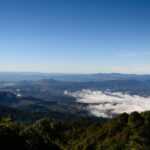
The temple complex mixes Buddhism and Hinduism. You’ll find a model Emerald Buddha shrine and a statue of Ganesh. Behind the main hall, an observation deck offers panoramic views of Chiang Mai sprawling below. On clear days, you can see the entire valley.

Visitor Rules & Etiquette
Dress code is strict. No shorts. Cover your knees and shoulders. Tank tops won’t cut it. Sarongs available at the entrance for about 100 THB if you forget. Shoes off before entering the temple terrace. Leave them at the designated racks.
Photography is allowed, but be respectful. Don’t point your feet at Buddha images. Don’t turn your back to the chedi for selfies. If you interact with monks, use the wai gesture (hands together, slight bow). Women should not touch monks or hand items directly to them.
Monkeys roam the area. They’ll snatch glasses, phones, anything shiny. Keep belongings secure. Don’t feed them or make eye contact.
Highlights: What to See
1. Central Gold-Plated Chedi: The holiest spot. Walk clockwise around it three times (local tradition). The gold leaf shimmers in sunlight. This is what you came for.
2. Emerald Buddha Shrine: A model replica inside the complex. Smaller than Bangkok’s version, but beautifully detailed. Locals pray here before the chedi.
3. Observation Deck: Behind the main hall. Panoramic views of Chiang Mai city. Best at sunrise or late afternoon when haze clears.

Bonus: Look for the Hindu Ganesh statue near the entrance. It’s a reminder of Thailand’s religious syncretism.
Getting There
Most visitors take a red songthaew (shared pickup truck) from Chiang Mai Old City. Costs 40-60 THB per person. They leave from near Chiang Mai Gate when full (usually 6-8 passengers). Negotiate before boarding.
Driving yourself? Parking available at the base. From there, you face 309 steep steps flanked by dragon sculptures. Alternatively, take the funicular tram for 30 THB. It’s worth it if you’re not in shape or visiting in hot season.
Need to get to Chiang Mai first? Check routes from Chiang Mai Airport to Old City or Train Station to Bangkok. If you’re heading elsewhere after, see Bus Terminal 2 to Chiang Rai or Bus Terminal 2 to Pai.
Want deeper context? Book a guided tour through Viator. Guides explain the symbolism behind the chedi, the white elephant legend, and why this mountain is sacred. You’ll understand what you’re looking at instead of just snapping photos.
Visitor Info
Opening Hours: Daily 7:00 AM to 6:00 PM. Monks start chanting around 5-6 AM if you want the full experience. Last entry around 5:30 PM.
Entrance Fee: No official temple fee mentioned in current sources. The tram costs 30 THB. Sarong rental is 100 THB if needed.
Best Time to Visit: Early morning (5-7 AM) or late afternoon (4-6 PM). Avoid 11 AM to 2 PM when tour groups swarm and heat peaks. March to May is brutal (35°C+). Bring water. November to February offers cooler weather and clearer views.
Crowd Levels: Weekends and Thai holidays get packed. Weekday mornings are quieter. Chinese New Year and Songkran (April) bring massive crowds.
Photography is allowed throughout. No flash restrictions stated, but common sense applies. Don’t use flash on monks or during prayer.
Frequently Asked Questions
What is the dress code for Doi Suthep temple?
Cover your knees and shoulders. No shorts or tank tops. Sarongs available for rent at the entrance (100 THB) if you forget.
What are the opening hours for Wat Phra That Doi Suthep?
Daily 7:00 AM to 6:00 PM. Monks chant from 5-6 AM. Last entry around 5:30 PM.
Is there an entrance fee for Doi Suthep?
No official temple entrance fee. The tram to skip the 309 steps costs 30 THB.
Can you take photos at Doi Suthep?
Yes. Photography allowed throughout. Be respectful near monks and Buddha images. Don’t point your feet at sacred objects.
What is the best time to visit Doi Suthep to avoid crowds?
Early morning (5-7 AM) or late afternoon (4-6 PM). Avoid 11 AM to 2 PM when tour groups arrive and heat peaks.