Ultimate Guide to Phuket Town (2026)

Phuket Town is worth it if you want actual culture instead of beach clubs. This is where tin mining money built pastel Sino-Portuguese mansions in the 1800s, and Chinese traders set up shrines that still burn incense today. It’s not a museum. People live here.
Best part? Completely free. No tickets, no gates. Just walk around Thalang Road and Soi Romanee with your camera. Sunday market gets packed, but weekday mornings feel like you have the place to yourself.
Why Visit Phuket Town?
Phuket Town became a trading port when tin mining exploded in the 19th century. Chinese merchants, European traders, Malay sailors, and Indian textile dealers all showed up. They built shophouses mixing Portuguese balconies with Chinese tile work. You see it everywhere on Thalang Road.
The Peranakan (Baba-Nyonya) community left the biggest mark. Their mansions like Chinpracha House have carved wooden doors and ceramic floor tiles shipped from Europe. Jui Tui Shrine honors Kuan Yin and hosts the Vegetarian Festival every October. Put Jaw Temple venerates Guan Yu. Both still get daily worshippers.
This isn’t a reconstructed heritage zone. Locals run coffee shops in 150-year-old buildings. You’ll see grandmas selling roti at the same corner their families have used since the 1920s.
Visitor Rules & Etiquette
No dress code for walking the streets. Wear whatever. Tank tops and shorts are fine for Thalang Road and cafes.
Shrines are different. At Jui Tui Shrine and Put Jaw Temple, take off your shoes before entering the main hall. Don’t point your feet at Buddha statues or altars. If monks are praying, stay quiet and don’t walk in front of them.
Photography is unrestricted on public streets. Soi Romanee exists for photos at this point. Inside shrines, check for signs. Most allow it, but skip flash near altars.
Tuk-tuk drivers at the market will say “special tour, 500 baht.” You can walk the entire Old Town in 90 minutes. Save your money.
Top Highlights
1. Thalang Road: Main artery with the best-preserved Sino-Portuguese shophouses. Painted mint green, peach, yellow. Sunday Walking Street market (4-10 PM) takes over with food stalls and handicrafts. Weekdays it’s just shops selling fabric and hardware.
2. Soi Romanee: Narrow alley one block south of Thalang. Pastel buildings, hanging lanterns, potted plants. Cafes like Kopitiam by Wilai serve Phuket-style coffee (thick, sweet, with condensed milk). Used to be a red-light district in the mining era. Now it’s all latte art.
3. Jui Tui Shrine: Active Chinese temple on Soi Phutorn. Dedicated to Kuan Yin (Goddess of Mercy). Locals bring fruit offerings daily. During Vegetarian Festival (September-October), devotees pierce their cheeks with swords. Not for the squeamish. If you want context on what you’re seeing, book a cultural walking tour through Viator. Guides explain the Taoist rituals properly.
Bonus: Phuket Thai Hua Museum (free entry, closed Mondays) covers tin mining history and Peranakan culture. Air-conditioned. Good escape from midday heat.
Getting There
Phuket Town sits in the island’s center, 15 km from the airport and 20 km from Patong Beach.
From Patong: Blue songthaews (shared trucks) run Patong to Phuket Town every 30 minutes, 50 baht per person. Takes 40 minutes. They drop you at the Ranong Road market, 5-minute walk to Thalang Road.
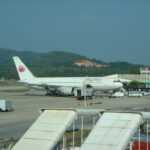
From Airport: Airport bus to town costs 100 baht, runs hourly. Check the Phuket International Airport to Phuket Town schedule. Grab taxi is 600-700 baht fixed rate.
Parking: Free street parking on Phang Nga Road (parallel to Thalang). Metered spots on Dibuk Road, 20 baht/hour. Sunday market closes Thalang Road to cars after 3 PM.
Visitor Info
Opening Hours: Streets are open 24/7. Shrines like Jui Tui open 6 AM to 6 PM daily. Museums close Mondays. Sunday Walking Street market runs 4-10 PM.

Ticket Price: Zero. Phuket Town is a public district. No entrance fees. Museums like Thai Hua are free. Chinpracha House charges 150 baht if you want a guided mansion tour.
Best Time: Weekday mornings (8-11 AM) before heat peaks and before tour buses. Sunday market is fun but expect shoulder-to-shoulder crowds after 6 PM. Avoid Chinese New Year week (January-February) unless you want festival chaos.
Weather: April-May is brutal. 35°C with no breeze in the narrow streets. November-February is cooler (28-30°C). Monsoon season (May-October) means afternoon downpours, but mornings stay dry.
If you’re heading out after exploring, check routes like Phuket Town to Phuket International Airport or Phuket Bus Terminal 2 to Krabi for onward travel.
Frequently Asked Questions
Is Phuket Old Town free to enter?
Yes. Phuket Town is an open public district with no gates or tickets. Walk around anytime. Some museums charge small fees (150 baht max), but streets and shrines are free.
What is the dress code for Phuket Town?
No dress code for streets and cafes. Wear shorts and tank tops. Inside Chinese shrines like Jui Tui, remove shoes and cover shoulders out of respect.
Best time to visit Phuket Old Town to avoid crowds?
Weekday mornings (8-11 AM). Sunday market draws huge crowds after 4 PM. Avoid Chinese New Year week if you want empty streets.
What are the top attractions in Phuket Town?
Thalang Road for Sino-Portuguese shophouses, Soi Romanee for cafes and photos, Jui Tui Shrine for active worship, and Phuket Thai Hua Museum for tin mining history.
Are there scams in Phuket Old Town?
Watch for inflated prices at Sunday market and tuk-tuk drivers offering unnecessary tours. Pickpockets work crowded market areas. Otherwise, it’s safe.

Phuket Town to Airport: Bus 100฿ vs Taxi 900฿ (2026 Guide)
You have five ways to reach the airport. The 8411 Airport Bus is your best bet if you’re on a budget (100฿), but it crawls with stops. Grab or a metered taxi cuts travel time in half but costs 900-1200฿. Flying out at 6am? The bus won’t run. Book a private ride.

How to get from Bangkok Southern Bus Terminal (Sai Tai Mai) to Phuket
You have three solid options. VIP bus from Sai Tai Mai costs 750-1,200 THB and takes 12-14 hours overnight. Flight is fastest (1h 20m) but you still need to reach BKK or DMK first, total door-to-door around 4-5 hours and 900-3,000 THB. Lignite Tour VIP is best if you want to sleep through the ride and save hotel money. Flying wins if you hate buses.

Phuket Airport to Phuket Town: Bus ฿100 vs Taxi ฿800 (2026 Guide)
You have 4 options. Airport Bus 8411 is cheapest at ฿120 and dead reliable. Taxi costs ฿800 but gets you door-to-door in 45min. Shared shuttle via Klook is ฿100 but fills up fast. Skip the minivan unless you’re in a group.
Patong to Phuket Town: Bus, Taxi & Grab (100-1000 THB, 2026)
You have 5 options. Grab is fastest if you hate waiting. Airport Bus is cheapest but takes forever and drops you at the terminal, not your hotel. Taxi works 24/7 but costs 700+ THB. Here’s what actually works.